
 By admin
 Doctors said he’d never sing again. They didn’t know his voice wasn’t in his throat—it was in his grit.
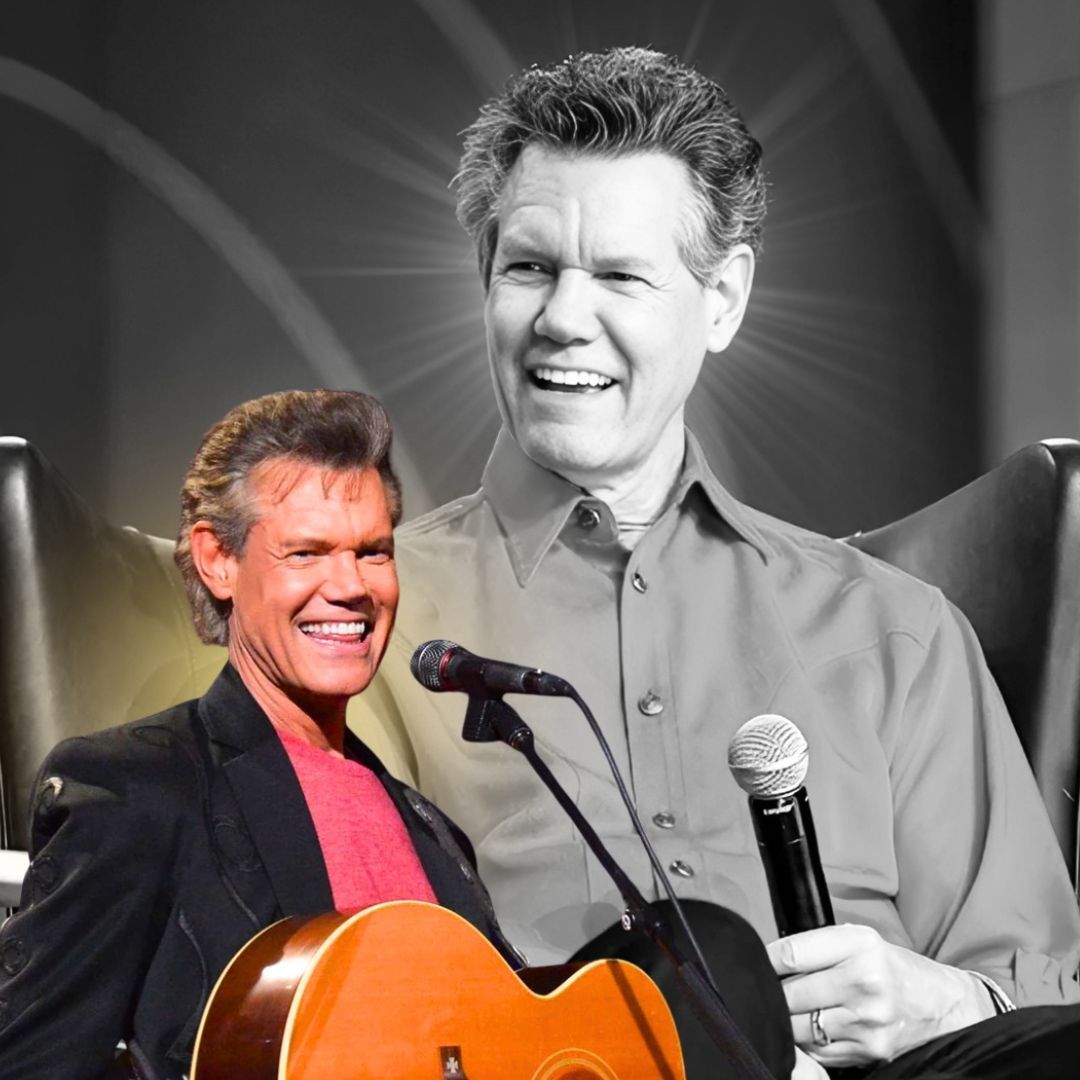
There are stories in country music that feel larger than life, but every so often, a story comes along that feels larger than the idea of impossibility itself. Randy Travis, one of the most influential and unmistakable voices the genre has ever known, carries such a story. And the truth behind his near-impossible return to music is far more than a tale of medicine — it is a testament to sheer will, deep faith, and the kind of resilience that can only be forged through years of heartbreak, redemption, and an unshakable belief in purpose.
In 2013, when Randy suffered a massive stroke, the news stunned the entire music world. Doctors worked urgently to save his life, and even after he pulled through, the prognosis was bleak. They were certain his singing voice — that rich, warm baritone that had shaped the entire landscape of ’80s and ’90s country — was gone forever. For many artists, such a diagnosis would have marked the end of the road. But what those experts didn’t understand is that Randy’s voice was never rooted only in his vocal cords. It was rooted in something deeper — in grit, in endurance, in a lifetime spent rising from places most people never return from.
Because long before the stadiums, before the Grammys, before the Hall of Fame, Randy Travis had already survived the kind of hardships that carve a soul open: poverty, loss, bad decisions, and a journey toward redemption that mirrored the very songs he sang. His strength had never come from ease — it had come from fire. And that fire didn’t vanish with a stroke.
The world got its first true glimpse of his miraculous return in 2016, when Randy stood at his Hall of Fame induction and delivered a trembling, emotional rendition of “Amazing Grace.” The room fell silent — not out of pity, but out of awe. It wasn’t the perfect voice fans remembered. It was something far more profound. It was a voice rebuilt from determination. A voice that broke, stretched, fought, and still found its way through. A voice that proved that the human spirit, when pushed to its limit, can create something more powerful than perfection.
What followed wasn’t a traditional comeback; it was a reclamation. Randy didn’t return to chase charts or reclaim fame. He returned to reclaim ownership of his story. To prove that even in brokenness, there is music. Even in silence, there is strength. And even when the world says “never,” some voices refuse to obey.
Fans often say you have to hear his post-stroke voice to believe it — not because it mirrors his past, but because it reveals something new, something raw, something unmistakably victorious. It carries the weight of suffering and the triumph of survival in equal measure. It reminds us that country music isn’t just about notes; it’s about the truth behind them.
Randy Travis’s journey is more than inspirational — it is transformative. It challenges what we think we know about healing, about artistry, about the boundaries of the human spirit. And above all, it reminds us that some voices are not confined by biology, by circumstance, or by time. Some voices live on because they are anchored in something no diagnosis can take away.
Doctors said he’d never sing again. They didn’t know his voice wasn’t in his throat—it was in his grit.